
Find the Best Stock Trading Platform in Canada for Effortless Investing
Discover the power of Canada’s top stock trading platforms, designed to help you seize market opportunities with speed and confidence. Whether you are a seasoned investor or just starting, unlock zero-commission trades, real-time data, and robust tools tailored for the Canadian market. Elevate your portfolio today with a platform that puts your financial growth first.
Top Canadian Brokerage Platforms Compared
When it comes to Top Canadian Brokerage Platforms, the choice for serious investors narrows to a few dominant players. Wealthsimple Trade stands out for its seamless user experience and zero-commission stock trading, making it perfect for mobile-first users, while its newer self-directed platform offers advanced tools. For cost-conscious traders, National Bank Direct Brokerage remains a powerful contender with competitive pricing, though its interface lags behind. Conversely, industry veterans like TD Direct Investing and RBC Direct Investing provide unparalleled research capabilities and integration with their respective banking ecosystems, justifying their higher fees for investors who value depth over simplicity. Ultimately, the best platform hinges on your trading volume and need for support—there is no universal winner, but this narrowed list focuses on the undeniably most competitive choices for the Canadian market.
Leading discount brokers for active traders
When you stack the top Canadian brokerage platforms head-to-head, the differences come down to cost, tools, and user experience. Questrade remains the go-to for DIY investors, offering low ETF commissions and a solid web platform. Wealthsimple Trade wins for newbies with its zero-commission stock trades and clean mobile app. For active traders, Interactive Brokers Canada slashes margin rates and provides robust professional tools. TD Direct Investing and RBC Direct Investing charge higher fees but deliver premier research and full-service support. A quick breakdown:
- Questrade: Best for ETFs and self-directed portfolios.
- Wealthsimple Trade: Ideal for casual stock buyers and TFSA accounts.
- Interactive Brokers: Top pick for advanced traders needing low-cost leverage.
- TD/RBC: Strong when you want banking integration and analyst reports.
Ultimately, your choice depends on whether you prioritize cost, research access, or mobile ease—there’s no one-size-fits-all winner.
Full-service wealth management options for investors
When evaluating top Canadian brokerage platforms, the landscape breaks into clear winners for different investors. Questrade remains a powerhouse for DIY traders, offering low commission fees and a robust platform for stocks, ETFs, and options. Wealthsimple Trade appeals to mobile-first investors with zero-commission trades and a sleek app, ideal for long-term positions in Canadian securities. For active traders, TD Direct Investing provides advanced tools and professional-grade research, while Interactive Brokers dominates with ultra-low margin rates and access to global markets. A quick comparison highlights their core strengths:
- Questrade: Low ETF buying costs, strong TFSA/RRSP integration
- Wealthsimple Trade: Commission-free trades, simple interface
- TD Direct Investing: Extensive research, premium web platform
- Interactive Brokers: Global reach, pro-level execution
Each platform tailors to different strategies, from cost-conscious beginners to high-volume traders seeking speed and global diversification.
Zero-commission apps gaining traction in Canada
Comparing top Canadian brokerage platforms reveals distinct strengths for different trading styles. Canada’s leading online brokers cater to both low-cost investors and active traders with varying features. Wealthsimple Trade offers zero-commission stock and ETF buys, perfect for beginners prioritizing simplicity. Questrade provides access to a broad range of ETFs and advanced tools for intermediate traders. Interactive Brokers remains the powerhouse for professionals needing low margin rates and global market access. For DIY dividend investors, TD Direct Investing delivers robust research and a stable interface, while National Bank Direct Brokerage now leads with no commissions on Canadian ETFs for high-volume accounts. The best choice hinges on your portfolio size and trading frequency.
Key Features to Look for in a Trading Service
When evaluating a trading service, key features to consider include robust security protocols, such as two-factor authentication, to protect funds. Look for low latency execution and reliable uptime, as fast order processing can impact profitability. A diverse asset offering—covering stocks, forex, crypto, and commodities—enables portfolio diversification. Transparent fee structures, including spreads and commissions, are critical to avoid hidden costs. Advanced charting tools, technical indicators, and real-time data feeds support informed decision-making. Additionally, regulatory compliance with bodies like the FCA or SEC ensures accountability. Finally, responsive customer support and user-friendly interfaces for both desktop and mobile enhance the overall experience.
Q&A
Q: Why is low latency execution important?
A: It reduces slippage, ensuring orders are filled at desired prices, which is vital for day trading or volatile assets.
Commission structures and hidden fee breakdowns
When selecting a trading service, prioritize robust risk management tools that allow you to set stop-losses, take-profits, and trailing stops automatically. A reliable platform must also offer real-time data feeds with negligible latency, as every millisecond impacts execution quality. Look for transparent fee structures—hidden spreads or withdrawal costs can erode profits quickly.
“The broker’s liquidity provider and order execution model is more critical than a flashy interface.”
Regulatory compliance is non-negotiable; verify the service is licensed by a reputable authority like the FCA or ASIC. Furthermore, ensure availability of a demo account for strategy testing and 24/7 customer support. Key features to evaluate include:
- Asset variety (stocks, forex, crypto, derivatives)
- Charting tools with custom indicators
- API access for algorithmic trading
Real-time data access and charting tools
When picking a trading service, you want more than just flashy promises. The most reliable trading platforms offer transparent fee structures so you’re never hit with surprise charges. Look for real-time data feeds, low spreads, and fast order execution—these directly impact your profit margins. A solid service also provides robust charting tools and multiple asset classes (stocks, crypto, forex) to diversify your strategy. Don’t skip security features like two-factor authentication and segregated client accounts. Key features to evaluate:

- Regulation & Reputation: Check if the broker is licensed by a top-tier authority (e.g., FCA, SEC).
- Demo Account: Test strategies without risking real cash.
- Customer Support: 24/7 live chat or phone support for urgent issues.
- Withdrawal Speed: Avoid services where cashing out takes weeks.
Q: Should I prioritize low fees or advanced tools?
A: Start with low fees if you’re a beginner—you can always upgrade. Advanced tools are useless if costs eat your profits.
Mobile usability and desktop platform stability
When choosing a trading service, think of it like hiring a co-pilot for a turbulent flight. The first thing to check is low and transparent fees—hidden costs can erode your profits faster than a bad trade. Next, ensure it offers a seamless mobile experience; being unable to adjust a position while away from your desk is like missing your exit on a highway. A solid demo account is non-negotiable, letting you test strategies without burning real cash. Finally, user reviews reveal the truth behind slick marketing—if traders complain about execution speed or customer support ghosts them during market crashes, walk away.
A good service also provides advanced charting tools with real-time data. You need indicators like moving averages, RSI, and volume profiles to read price action—imagine trying to navigate fog without radar. Look for customizable layouts and one-click trading, which shaves seconds off your reactions.
- Risk management features: Stop-loss and take-profit orders should be simple to set—these are your seatbelts.
- Asset diversity: Access to forex, crypto, stocks, or commodities avoids putting all your eggs in one basket.
- Regulation: A licensed broker (e.g., FCA, SEC) serves as a safety net against scams.
Q&A:
Q: Is a low minimum deposit a good sign?
A: Not always. Some services use it to lure beginners, then charge high spreads. Always test the platform first with a demo account.
Regulatory Landscape for Canadian Investment Platforms
The regulatory landscape for Canadian investment platforms is shaped primarily by the Canadian Securities Administrators (CSA), which harmonizes rules across provincial regulators. Platforms must adhere to stringent Know Your Client (KYC) and suitability obligations under National Instrument 31-103, while also complying with anti-money laundering directives from FINTRAC. A defining feature is the restriction on offering algorithmic trading and commission-free models without a registered dealer status, which limits the disruptive innovations seen in other markets.
Cryptocurrency platforms face heightened scrutiny, as the CSA mandates that all crypto asset trading platforms must be registered and comply with enhanced investor protection requirements.
Furthermore, the shift toward open banking and automated advice is prompting regulators to propose new data privacy frameworks and fiduciary standards, ensuring that platform operators balance technological growth with robust risk management. This balanced oversight aims to foster innovation while safeguarding retail investors in a rapidly digitizing financial environment.
IIROC and CIPF protection for account holders
Navigating the regulatory landscape for Canadian investment platforms feels like steering a ship through a narrow, ever-shifting channel. The Canadian Securities Administrators (CSA) sets the overarching rules, with provincial bodies like the OSC and AMF enforcing compliance. These frameworks demand strict adherence to client disclosure, capital adequacy, and anti-money laundering protocols. Platforms must register as investment dealers under the IIROC umbrella, which imposes rigorous know-your-client (KYC) obligations and suitability standards. The recent shift toward open banking and crypto-asset regulation adds layers of complexity, forcing platforms to recalibrate risk management quickly. Every new rule feels like a fresh current beneath the keel. Key requirements include:
- Registration with the provincial securities commission
- Monthly reporting to IIROC on capital reserves and trade reconciliation
- Implementation of cybersecurity protocols aligned with OSFI’s guidelines
Rules around margin trading and short selling
Canada’s regulatory landscape for investment platforms is a mosaic of stringent oversight, shaped by the Canadian Securities Administrators (CSA) and provincial bodies like the Ontario Securities Commission. Fostering investor trust through multi-jurisdictional compliance is the industry’s bedrock, as platforms must navigate distinct rules from coast to coast. For example, a new robo-advisor launching in Toronto must balance CSA’s streamlined “regulatory sandbox” with Quebec’s unique disclosure norms. This patchwork means platforms often:
- Register as portfolio managers or exempt market dealers across provinces.
- Adhere to know-your-client rules that demand sophisticated risk profiling.
- Implement robust cybersecurity protocols under Canada’s PIPEDA.
The result is a cautious yet innovative ecosystem—where firms like Wealthsimple thrive by embracing compliance as a competitive edge, not a burden. Canadian platforms thus weave provincial nuance into their DNA, ensuring every digital trade echoes regulatory harmony.
Currency conversion costs on Canadian brokers
Navigating Canada’s investment platform market requires more than just a sleek interface; it demands a firm grasp of a fragmented regulatory mosaic. Each province operates its own securities commission, but the Canadian Securities Administrators (CSA) provides overarching guidance, creating a landscape where innovation often stalls at provincial borders. The fragmented provincial oversight forces platforms like Wealthsimple or Questrade to secure registration across multiple jurisdictions before launching new features. Key hurdles include:
- Prospectus requirements for new investment products, slowing time-to-market.
- Know-Your-Client (KYC) and anti-money laundering rules, which differ slightly from Ontario to British Columbia.
- Cryptocurrency-specific rules, recently tightened by the CSA to treat many digital assets as securities.
Traders often whisper of a single, unified regulator like the U.S. SEC, but the dream remains distant. For now, platforms must build compliance teams as big as their engineering crews, turning this patchwork into a quiet barrier for new entrants.
Best Options for Beginners Entering the Market
For beginners, the most prudent path into the market starts with low-cost, broadly diversified index funds or exchange-traded funds (ETFs). Think of these as a sturdy, beginner-friendly cart, not a fragile, high-speed racecar. By purchasing a total **stock market ETF**, you instantly own a small slice of hundreds of companies, automatically spreading your risk. The true secret is to turn this choice into a relentless habit, known as **dollar-cost averaging**—investing the same fixed amount every month, regardless of market ups and downs. This removes the emotional terror of trying to time the market, allowing your money to steadily buy more shares when prices are low. It is a boring, disciplined strategy that, over decades, builds wealth as reliably as a river carves a canyon, turning small, consistent actions into a substantial financial future.
User-friendly interfaces with educational resources
The first step into the market doesn’t require a bold gamble, but a quiet foundation. For those starting out, the safest harbor lies in low-cost, diversified funds like index ETFs, which mirror the broad economy rather than betting on single stocks. This approach, paired with a consistent habit of dollar-cost averaging, transforms fear into routine. Start small enough to sleep peacefully, and let time do the heavy lifting.
Building a resilient portfolio for beginners hinges on diversification. Consider this simple starter structure:
- 60% in a total stock market ETF (e.g., VTI or equivalent).
- 30% in a total international stock ETF (e.g., VXUS).
- 10% in a bond ETF for stability (e.g., BND).
Practice accounts and simulated trading environments
For beginners entering the market, starting with low-cost, diversified index funds or ETFs is the safest and most effective strategy. These instruments provide instant diversification, reducing the risk tied to individual stocks while offering steady long-term growth. Low-cost index funds are the foundation of smart investing for novices. Focus on funds tracking broad benchmarks like the S&P 500, and consistently contribute a fixed amount each month, regardless of market conditions—a practice known as dollar-cost averaging. Avoid speculative bets on single stocks or leveraged products entirely.
The most important factor isn’t picking the perfect stock; it’s staying invested and controlling your fees.
To build a balanced start, consider these core asset allocations:
- 70% in a total U.S. stock market index fund (e.g., VTI or FSKAX)
- 20% in a total international stock index fund (e.g., VXUS or FTIHX)
- 10% in a total bond market index fund (e.g., BND or FXNAX) for stability
Simplicity and discipline outperform complexity and timing every time for new entrants.
Low minimum deposit requirements across platforms
For beginners, the most effective path into the market is through low-cost, diversified index funds or exchange-traded funds (ETFs), which instantly spread risk across hundreds of stocks. This strategy eliminates the need to pick individual winners and significantly reduces the impact of a single company’s poor performance. Passively managed index fund investing is the proven, low-stress method for long-term wealth building. Focus on a total market or S&P 500 fund, set up automatic monthly contributions to dollar-cost average, and commit to holding for at least five to ten years. Avoid day trading, penny stocks, or options—these are for seasoned speculators. Your primary tools should be a reliable brokerage account and a simple, disciplined plan. Stay consistent, ignore short-term noise, and your patience will compound into substantial returns. This is not about timing the market; it is about time in the market.
Advanced Tools for Day Traders and Scalpers
For the modern day trader and scalper, the terminal is less about basic charts and more about a high-octane arsenal of real-time execution tools. True edge comes from advanced level II time & sales scanners that filter for iceberg orders and spoofing anomalies, coupled with hardware-accelerated footprints that decode absorption versus exhaustion down to the tick. You cannot scalp successfully without sub-millisecond raw data feeds from your broker, bypassing default API throttling. Hotkeys for staged entries, auto-trailing stops, and DOM ladder trading that skips the mouse are non-negotiable.
The single greatest upgrade a scalper can make is moving from a standard 60Hz monitor to a 240Hz refresh rate display, as latency in visual feedback is a hidden killer of pips.
Furthermore, session-specific VWAP deviation bands and cumulative delta divergence on 1-second timeframes are the underutilized signals that separate the profitable from the noise. Always prioritize data simplicity over dashboard clutter; speed of decision is the only asset that matters.
Level 2 quotes and time & sales data availability
In the chaotic first hour of trading, a scalper’s survival depends on advanced trading platforms with ultra-low latency execution. One wrong millisecond can turn a win into a loss. These tools include professional-grade Level 2 data, which reveals the order book’s depth and hidden liquidity, allowing traders to spot iceberg orders before they move price. Direct market access (DMA) routes orders straight to the exchange, bypassing any broker delays. For momentum-driven scalpers, customizable heatmaps visualize buying pressure in real time, while algorithmic trade assistants automatically exit positions at volatile support levels. A reliable VPS server, placed physically near exchange data centers, further shaves off critical microseconds.
Algorithmic trading and API integration support

In the electric hum of a pre-market session, Alex watched his screen flicker with Level 2 data, a tool that reveals the market’s hidden depth. For scalpers, real-time order flow analytics are non-negotiable. His platform’s hotkeys executed buy and sell commands in milliseconds, while a VWAP indicator anchored his entries. He relied on a custom screener to flag volatile stocks. Without these advanced tools—like footprint charts and cumulative delta—his edge would vanish into noise, leaving him chasing shadows instead of capturing micro-moves.
Hotkey customization and rapid execution speeds
In the pre-dawn quiet of his home office, Mark’s only edge wasn’t instinct—it was real-time market data feeds. Milliseconds separate profit from loss for scalpers, so a platform like an order-flow tape or DOM (Depth of Market) reveals the hidden war between buyers and sellers. He watches a rapid-fire sequence: a massive sell wall vanishes, replaced by aggressive bids. His fingers fly across the hotkeys, executing a scalp trade before the algo-bots even register the shift. He relies on tools like footprint charts to read actual traded volume at each price level, not just the tick. For volatility, a VWAP (Volume Weighted Average Price) overlay keeps him anchored, while a low-latency fiber connection ensures his order hits first. In this world, the trader is only as sharp as the data his screen breathes.
Tax Implications When Using Canadian Brokerages
When using Canadian brokerages, tax implications largely depend on the account type and trading activity. Inside a Tax-Free Savings Account (TFSA), capital gains and dividends are not taxed, but losses cannot be claimed. In a Registered Retirement Savings Plan (RRSP), all growth is tax-deferred until withdrawal, where it is taxed as income. Non-registered accounts, however, trigger immediate tax events; you must report capital gains (50% taxable) and receive a T3 or T5 tax slip for dividends and interest. Trading frequency can also matter, as the Canada Revenue Agency may view frequent gains as business income. Currency conversion costs and foreign withholding taxes on U.S. dividends further complicate returns, often recoverable via foreign tax credits. Professional advice helps navigate these rules.
TFSA and RRSP account integration with platforms
When Sarah transferred her savings to a Canadian brokerage, she quickly learned that tax implications hinge on account type. Holding stocks in a Tax-Free Savings Account (TFSA) meant no capital gains taxes on her surging tech stocks. But when she opened a non-registered margin account to day trade, every trade triggered a taxable event. Come tax season, Sarah had to carefully track adjusted cost bases for each sale—missing even one could mean overpaying on her returns. She discovered that Canadian brokerages issue a T5008 slip for all trades, but it’s only a summary; she still had to list each transaction on her tax return. If she’d used a Registered Retirement Savings Plan (RRSP), dividend income would have been sheltered until withdrawal. Without that planning, her day trading profits were taxed as capital gains at 50% of the inclusion rate.
Capital gains reporting from non-registered accounts
Using Canadian brokerages directly ties your investment gains to the Canada Revenue Agency’s tax rules, making capital gains tax compliance unavoidable for non-registered accounts. Unlike US brokers, Canadian platforms automatically provide T5008 slips and forex-adjusted reports, simplifying your annual tax filing. They also enable critical tax-sheltering strategies through Registered Retirement Savings Plans (RRSPs) and Tax-Free Savings Accounts (TFSAs), where profits grow tax-deferred or tax-free. Failing to report capital gains can trigger penalties, but the built-in tax documentation from Canadian firms virtually eliminates guesswork. Ultimately, for maximum tax efficiency and audit protection, a Canadian brokerage is non-negotiable.

Withholding taxes on dividends from US stocks
Using Canadian brokerages like Questrade or Wealthsimple triggers specific tax obligations that savvy investors must navigate. The key reality is that all investment income must be reported to the Canada Revenue Agency (CRA), whether it’s dividends, interest, or realized capital gains. For non-registered accounts, you’ll receive a T5 slip for interest and dividends, and a T5008 for securities transactions, which you must reconcile with your own records. The biggest tax advantage lies in registered accounts: any gains inside a TFSA are tax-free, while RRSP withdrawals are taxed as income. A common pitfall is forgetting that foreign dividends, especially from U.S. stocks, are subject to withholding tax.
Comparing Fees Across Popular Canadian Platforms
When comparing fees across popular Canadian platforms, like Shopify, Amazon, and Etsy, the differences can hit your wallet hard. Shopify charges a monthly subscription plus transaction fees unless you use their payment system. Amazon takes a cut from every sale, with referral fees varying by category, while Etsy has listing and transaction fees that add up fast for small sellers.
The hidden costs, like payment processing and currency conversion, often surprise new merchants more than the base rates.
You also need to watch for third-party app charges on Shopify or storage fees on Amazon. For the best deal, always calculate total expenses based on your volume—transparent fee structures can save you hundreds yearly.

Trade commissions per equity and ETF transactions
When choosing a Canadian platform, fee structures can dramatically affect your bottom line. Comparing transaction fees across popular Canadian platforms reveals stark differences between giants like Shopify, Square, and Stripe, where processing rates range from 2.4% to 2.9% plus a fixed fee per transaction. Monthly subscription tiers, from free basic plans to $299+ enterprise options, add another layer of cost. To avoid hidden surprises, always scrutinize chargeback fees and monthly minimums, which some providers enforce.
A platform charging 0.5% less in processing fees can save a $500,000-a-year business up to $2,500 annually.
Key considerations include:
- Shopify: 2.4%–2.9% + $0.30 for online cards; uses its own payment gateway to avoid surcharges.
- Square: 2.5%–2.9% + $0.10 in-person; no monthly fee for basic plans.
- Stripe: 2.9% + $0.30 (cards); 0.5% for Instant Payouts.
- WePay (via FreshBooks): 2.9% + $0.30; also charges ACH transfer fees.
Inactivity charges and account maintenance costs
When comparing fees across popular Canadian platforms like Wealthsimple, Questrade, and TD Direct Investing, the disparities directly impact your long-term returns. Finding low-cost trading fees in Canada is essential for maximizing portfolio growth. For instance, Wealthsimple offers zero commission on stock and ETF trades, making it ideal for frequent traders, while Questrade charges a flat fee of $4.95 to $9.95 per trade. TD Direct Investing, however, can cost up to $9.99 per trade, plus annual account maintenance fees if you hold less than $15,000. Hidden costs—like exchange rate markups on US stocks—further erode gains. To choose wisely, evaluate your trading volume:
- High-frequency traders: Prioritize zero-commission platforms.
- Long-term investors: Focus on low mutual fund MERs.
- US stock buyers: Scrutinize currency conversion spreads.
Always calculate the total fee structure, not just headline rates, to ensure your platform aligns with your investment strategy.
Bank wire and EFT deposit processing fees
When Amanda compared fees across popular Canadian platforms, she found the differences shocking. Canadian platform fee comparison revealed that Shopify charges transaction fees of 2.4% to 2.9% plus a monthly subscription, while Amazon Canada takes 8% to 15% per sale. Etsy adds another layer with listing fees and a 6.5% transaction cut. For payment processing, PayPal Canada takes 2.9% + $0.30 per transaction, while Square charges a flat 2.6%.
The hidden cost isn’t the upfront price—it’s the percentage that grows with every sale.
Amanda quickly learned that her 10th sale cost her more than the first, thanks to these compounding fees. She switched to a flat-rate processor and cut her costs by 40%.
Customer Support and Reliability Benchmarks
Customer support and reliability benchmarks serve as critical metrics for evaluating service quality and operational consistency. Key indicators include first response time, resolution rate, and system uptime percentages, which are often tracked against industry standards. For optimal performance, companies monitor uptime guarantees and customer satisfaction scores to ensure service level agreements are met. Regular audits of support ticket data and infrastructure logs help identify gaps in reliability, allowing for targeted improvements. These benchmarks enable organizations to maintain trust by balancing rapid issue resolution with dependable system availability, fostering long-term user retention.
Phone and chat response times from major brokers
To measure true customer support effectiveness, track your first response time (FRT) and resolution rate as core reliability benchmarks. A sub-30-minute FRT paired with a 90%+ resolution rate signals a mature support operation. For infrastructure reliability, monitor uptime strictly: a 99.9% SLA means less than nine hours of downtime annually. Use an escalating table to align internal priorities:
| Benchmark | Target | Action if Missed |
|---|---|---|
| First Response Time | < 30 min | Add live chat agents |
| Resolution Rate | > 90% | Review knowledge base gaps |
| Uptime | 99.9% | Audit server redundancy |
Reliability benchmarks also demand proactive monitoring: simulate outages quarterly and validate that your support team can restore service within the agreed SLAs.
Platform uptime during high-volume trading days
Customer support and reliability benchmarks serve as measurable standards for evaluating service quality and system uptime. Key metrics include First Response Time (FRT), Average Handle Time (AHT), and Customer Satisfaction Score (CSAT). Service Level Agreements (SLAs) often define acceptable thresholds, such as 99.9% uptime for digital platforms. Reliability is typically quantified through Mean Time Between Failures (MTBF) and Mean Time to Resolve (MTTR). Organizations use these benchmarks to identify gaps in escalation workflows and system resilience, ensuring consistent service delivery while minimizing operational risk.
Online resources and community forums for help
When our cloud platform suffered a three-second latency spike during peak hours, we lost a major enterprise account before lunch. That moment taught us: customer support reliability benchmarks are not just metrics—they are lifelines. We rebuilt our system around three non-negotiable standards:
- First response under two minutes, every ticket, every time zone
- Zero unplanned downtime exceeding 99.9% monthly uptime
- Root-cause analysis delivered within 24 hours of any anomaly
Within a quarter, churn dropped by 40% and our Net Promoter Score crossed 70. The benchmarks didn’t just save that lost account—they turned every support conversation into a story of trust restored, one reliable handoff at a time.
Mobile Trading Experience on Canadian Apps
The glacial pace of a desktop browser for stock research finally broke me. Switching to a Canadian trading app, I felt a jolt of speed; real-time quotes now flowed through my pocket, not my power cord. The interface, once a cluttered desk, was now intuitive and secure, allowing me to set limit orders during a morning commute. The true revelation came during a volatile TSX open. Watching a portfolio dip on screen felt intimate, almost too personal, but with a thumb’s flick, I had executed a stop-loss. This handheld empowerment turned anxiety into actionable vigilance, yet the battery drain was a small price for the freedom of trading from a park bench instead of a boardroom table. The phone felt less like a device and more like a financial lifeline.
iOS and Android app feature parity reviews
The first time I placed a trade on a Canadian app, I was standing in a Vancouver coffee shop, watching a lumber index ticker load in under two seconds. That moment defined my seamless mobile trading experience—no lag, no frozen charts, just instant execution. Canadian platforms like Wealthsimple Trade and Questrade now offer real-time TSX data, biometric security, and commission-free ETF buys.
The difference, however, lies in the little things:
–No hidden fees for Canadian-listed stocks
–Instant CAD settlement for day traders
–Integrated DRIP options for dividend investors
One morning, I watched a junior miner spike on a BC drilling report. With a thumb swipe, I bought 200 shares, set a trailing stop, and locked a 6% gain before my espresso went cold. That is the real story of Canadian mobile trading: not just speed, but the quiet confidence of executing a strategy from a Toronto subway platform—where the only downtime is the tunnel between stations.
Biometric login and security enhancements
Mobile trading on Canadian apps like Wealthsimple Quantum AI Canada Trade, Questrade, and TD Easy Trade offers a streamlined experience for managing investments on the go. Real-time Canadian stock trading is a core feature, allowing users to buy and sell TSX-listed securities directly from their smartphones with responsive interfaces. Key aspects of this experience include:
- Account setup: Most apps provide quick, fully digital onboarding with identity verification, often completed in under 10 minutes.
- Fee structures: Apps range from commission-free trades (e.g., Wealthsimple Trade) to low-cost or per-transaction models (e.g., Questrade), typically with additional charges for USD accounts or advanced order types.
- Data integration: Real-time quotes are standard for major Canadian equities, though some apps may delay Level 1 data without a premium subscription.
- Security: Two-factor authentication and biometric login are standard across major platforms, aligning with Canadian regulatory standards.
The overall reliability depends on the app’s backend infrastructure, with occasional latency during high-volume market hours. Despite these limitations, mobile trading on Canadian apps effectively bridges the gap between desktop platforms and portable convenience for retail investors.
Push notifications for trade confirmations and alerts
When Sarah first tried trading on the go, she was skeptical about her phone’s reliability. But Canadian stock trading apps like Wealthsimple Trade and Questrade have transformed that doubt into ease. With a quick fingerprint scan, she can watch her portfolio update in real-time, buy shares of Shopify during her morning commute, or sell ETFs at lunch without lag. The apps load charts swiftly—even on spotty subway Wi-Fi—and push notifications alert her to price dips. Fees stay transparent, with commission-free trades on most platforms. Sarah now trusts her mobile broker more than her desktop, finding the simple swipes and dark mode themes surprisingly addictive. She hasn’t missed a trade yet, even while waiting for her coffee.
- Wealthsimple Trade offers zero commissions on Canadian stocks.
- Questrade allows instant deposits for timely entries.
- National Bank Direct Brokerage provides robust mobile charting tools.
Q: Are Canadian mobile trading apps secure?
A: Yes. Most use two-factor authentication and biometric login. Sarah’s funds are held with CIPF protection, and her data is encrypted end-to-end, making her trades both fast and safe.
International Trading Access from Canadian Accounts
For Canadian investors, international trading access typically requires a brokerage account that supports multiple currency holdings and foreign exchange services. Many platforms, such as Interactive Brokers or Questrade, allow direct trading on U.S., European, and Asian exchanges, though you must account for currency conversion fees and settlement timelines. Always verify if your broker offers direct market access to avoid costly intermediary markups. Canadian accounts can face withholding taxes on dividends from foreign stocks, but tax treaties may reduce this burden. For maximum efficiency, use a broker with integrated multi-currency wallets to minimize spreads. Prioritize diversified global exposure by selecting firms with robust regulatory compliance and low transaction costs. Without proper due diligence, hidden fees can erode returns, so compare platform features before committing capital.
US market access and dual-listed stock trading
Canadian brokerage accounts offer international trading access to major global exchanges like the NYSE, Nasdaq, LSE, and HKEX, letting you buy stocks, ETFs, and ADRs from home. Most platforms support US trading seamlessly, but accessing non-North American markets often requires a margin account or specific approval. Key points to remember:
- Currency conversion fees can eat into profits—look for accounts that offer US-dollar sub-accounts.
- Some brokers restrict access to emerging markets, so check their exchange list before signing up.
- Fractional shares are rare for international stocks, and settlement times may vary (T+2 is standard).
Tax reporting is straightforward for US-listed securities, but non-US dividends may have foreign withholding taxes. Overall, Canadians have robust options for global investing, though costs and market availability differ between brokers like Questrade, IBKR, and Wealthsimple.
Foreign exchange capabilities for international equities
Canadian account holders can access international trading through major online brokerages that offer direct exchange listings and multi-currency accounts. Global market access for Canadian investors typically includes equities, ETFs, and bonds from the U.S., Europe, and Asia. To trade foreign securities, users must often complete a specific application or meet minimum equity requirements. Key considerations include:
- Currency conversion fees (typically 1–2% above the spot rate).
- Regulatory differences (e.g., T+2 settlement for U.S. trades).
- Withholding taxes on foreign dividends.
Popular platforms like Questrade, TD Direct Investing, and Interactive Brokers Canada provide these services, with varying commission structures and research tools. Always verify account eligibility and foreign exchange policies before initiating cross-border trades.
Emerging market exposure via Canadian platforms
Canadian traders gain international access through multi-currency brokerage accounts that link to global exchanges like the NYSE, LSE, and TSE. This allows seamless trading of U.S. equities, European ETFs, and emerging market ADRs directly from a Canadian bank or discount broker. Cross-border trading requires understanding currency conversion fees and settlement timelines. Key considerations include:
- Currency Exchange: Brokerage rates vary; use Norbert’s Gambit to convert CAD to USD cheaply.
- Tax Reporting: U.S. dividends face a 15% withholding tax under the Canada-U.S. Tax Treaty.
- Regulatory Limits: Some brokers restrict foreign stocks outside North America or charge higher fees for non-listed securities.
Q: Can I trade Hong Kong stocks from a Canadian account?
A: Yes, through brokers with access to the Hong Kong Exchange (e.g., Interactive Brokers). Expect higher commissions and ADR fees. Consider using HK stock’s CAD-traded ETFs like HCAL for simpler exposure.
Selecting a Platform That Fits Your Strategy
Selecting a platform that fits your strategy begins with a rigorous audit of your business objectives, target audience behavior, and content capabilities. A common mistake is chasing trends—instead, identify where your ideal customers already seek solutions and how they prefer to engage. Optimizing your platform selection for search intent is critical, as it directly impacts discoverability and conversion paths. For an e-commerce brand, a robust CMS with built-in SEO tools might outweigh a visually-driven, but less searchable, social channel. Never compromise your core conversion goals for a platform’s flashy interface. Ultimately, your choice should amplify your unique value proposition, not constrain it, ensuring every technical feature serves a defined marketing objective. Prioritize platforms that offer scalable integrations to avoid rebuilding your tech stack as your business grows.
Long-term buy-and-hold versus frequent trading needs
When the founder sketched her launch plan, she knew the platform wasn’t a backdrop—it was the stage. Dominating a crowded market means choosing a platform aligned with business goals, not just chasing trends. She mapped her audience’s habits: short videos for Gen Z buyers, technical whitepapers for enterprise partners. The wrong channel buried her story; the right one amplified it. She built a shortlist based on three criteria: where her customers already gathered, what content formats they trusted, and how easily the platform integrated with her sales funnel. Choosing a platform aligned with business goals turned scattered tactics into a focused narrative, turning browsers into believers. The stage set, she leaned into one channel, tested weekly, and let the data—not hype—guide her next act.
Sector-specific research tools for niche investors
Choosing a digital platform is a strategic decision that must align directly with your business goals, not a popularity contest driven by trends. Platform selection for marketing strategy demands that you evaluate where your target audience actively engages and how the platform’s native features support your conversion funnel. For example, a B2B service provider should prioritize LinkedIn’s professional network for lead generation, while a visual brand thrives on Instagram’s immersive storytelling. Avoid spreading resources thin; instead, concentrate on one or two channels that allow for deep, data-driven optimization:
- Audience density: Where does your ideal client search or browse?
- Content format: Does your strategy rely on video, long-form text, or direct messaging?
- Conversion capability: Can the platform integrate checkout, scheduling, or lead capture?
Ultimately, a disciplined choice guarantees that every post and ad directly serves your measurable objectives, turning effort into revenue.
Portfolio rebalancing features and automated options
Selecting a platform that fits your strategy begins with a clear audit of your target audience’s behavior and your content format. Strategic platform alignment ensures your marketing efforts reach the right users without wasted budget. Evaluate each platform’s core function: LinkedIn supports B2B networking, Instagram excels for visual storytelling, and YouTube drives long-form engagement. Before committing, consider these key factors:
- Audience demographics – match age, location, and interests to platform user data.
- Content type – prioritize video, text, or images based on your message.
- Budget and resources – compare ad costs and production requirements.
A mismatch between platform capabilities and your marketing objectives reduces ROI. Regularly reassess performance metrics to confirm the channel remains aligned with your evolving strategy.
| « « Juristische Differenzen bei Online Glücksspielen im Vergleich zwischen Deutschland und Österreich | This promote is valid seven days in the the latest account becoming joined » » |
 HDX Series
 Realpresence Group Series
 RealPresence Desktop
 Polycom Practioner's Cart
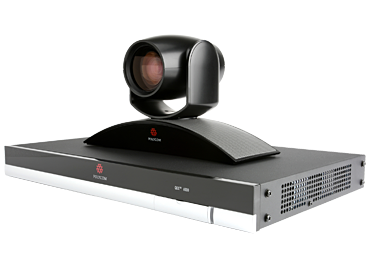 QDX 6000
 Polycom RealPresence Mobile
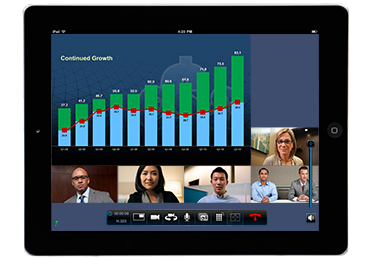 HD Telepresence & Video Conferencing Accessories
 Analog Series
 IP Series
 Polycom RealPresence CloudAXIS
 RealPresence One
 RealPresence Collaboration Server
 Polycom Firewall Traversal & Security
 Polycom RealPresence Media Manager