
A Practical Guide for Young Explorers to Master the Scientific Method Step by Step
Engaging in systematic inquiry begins with solid data collection. From measuring plants in a garden to observing animal behavior, gathering information lays the groundwork for deeper analyses.
Fostering analytical thought transforms raw data into meaningful insights. By asking pertinent questions and evaluating evidence, inquisitive minds can draw connections and identify patterns.
Building strong research skills enables individuals to formulate and test hypothesis testing. Crafting predictions based on observations not only fuels curiosity but also guides experiments that further illuminate the subject matter.
Formulating Testable Hypotheses for Your Experiments
Identify a clear and specific question guiding your project. A well-defined query serves as the cornerstone for hypothesis development. Avoid vague ideas, as they hinder robust experimentation.
Translate your question into a hypothesis using an “if-then” format. For example, “If plants receive more sunlight, then they will grow taller.” This structure fosters precision, enabling focused investigation.
Ensure your hypothesis is testable through experimentation. A testable hypothesis allows for observation and measurement, essential components for achieving reliable results. If it’s impossible to quantify or observe, rethink your statement.
Leverage your research skills to gather background information. Understanding existing knowledge aids in framing your hypothesis effectively. Explore scientific literature or trustworthy online resources to refine your idea.
Engage in analytical thought to assess possible outcomes. Consider what evidence might support or refute your hypothesis. This helps in predicting results and planning necessary steps for data collection.
Organize your findings systematically in a table format to visualize data better. Documentation helps in drawing conclusions that are clear and understandable. Here’s a simple layout for data representation:
| Condition | Observed Growth (cm) |
|---|---|
| Low Sunlight | 10 |
| Moderate Sunlight | 20 |
| High Sunlight | 30 |
Focus on hypothesis testing to validate your ideas. Collect data meticulously, and analyze results to draw valid conclusions. Through this process, you’ll enhance your research abilities and contribute to scientific knowledge.
Designing Experiments: Choosing the Right Variables
Choose one independent variable and keep every other condition fixed; this gives your research skills a clear target and makes hypothesis testing far easier.
Set the dependent variable before collecting data, because data collection works best when you already know what change you want to measure.
- Pick a single factor to change.
- Hold temperature, time, amount, and tools steady.
- Measure one result in a repeatable way.
A strong setup uses simple, separate groups so conclusion drawing comes from evidence, not guesswork.
- Write the question.
- List the variable you will change.
- Name the result you will track.
- Check that no extra factor can confuse the outcome.
Collecting and Analyzing Data: Tools and Techniques
Begin with clear objectives in your research. Establish what specific information you want to gather and how it aligns with your hypothesis testing. This step is crucial for directing your focus during data collection, ensuring your findings will contribute meaningful insights.
Utilize various instruments for data collection. Surveys, experiments, and observations each have unique advantages. Surveys allow for broader participant input, while experiments offer controlled settings for accurate measurements. Observational techniques can yield valuable qualitative information often overlooked in quantitative research.
Data analysis tools play a significant role in interpreting findings. Software applications like Excel or specialized statistical programs help simplify complex calculations, allowing you to visualize relationships within your data. Charts and graphs can illustrate trends, aiding analytical thought.
Keep a detailed record of your collected data. A well-organized database enables efficient retrieval and analysis. Chronological entries assist in identifying patterns over time, which can be pivotal in validating or refuting your original hypothesis.
Engage in peer discussions about your findings. Collaboration can reveal alternate perspectives and foster an environment for critical thinking. Sharing insights can enhance your research skills as you consider different angles and potential limitations of your work.
Regularly assess the quality of your data. Look for inconsistencies and potential biases that could skew your results. Refining your techniques and sources ensures the credibility of your conclusions, making your analysis more robust.
For further resources and insights on these topics, visit https://thestemkidsco.com/. This site offers valuable information that can enrich your understanding and application of data collection and analysis methods in your projects.
Q&A:
What are the main steps of the scientific method and why are they important?
The scientific method consists of several steps: making observations, asking questions, forming a hypothesis, conducting experiments, analyzing data, and drawing conclusions. Each step builds on the previous one. Observations help identify patterns or phenomena worth studying. Questions focus the research, while a hypothesis proposes a possible explanation. Experiments test the hypothesis under controlled conditions, and analyzing data allows researchers to determine whether the results support their ideas. Finally, drawing conclusions helps refine understanding and guides further exploration. Following these steps systematically increases the reliability of findings.
How can a young student create a testable hypothesis?
Creating a testable hypothesis involves turning a question about the natural world into a statement that can be measured or observed. A good hypothesis predicts the outcome of an experiment based on prior knowledge or observations. For example, instead of asking, “Do plants grow better with sunlight?” a testable hypothesis would be, “If plants receive sunlight for six hours a day, then they will grow taller than plants that receive only two hours of sunlight.” This statement specifies variables that can be measured—sunlight duration and plant height—making it possible to evaluate the hypothesis through experimentation.
Why is careful observation critical before designing an experiment?
Careful observation allows researchers to notice details that may influence their experiments. Without close attention, important factors could be overlooked, leading to inaccurate conclusions. Observing patterns, changes, or anomalies in a natural setting provides a foundation for forming precise questions and hypotheses. For example, if a student studies how temperature affects mold growth on bread, observing how mold appears at different times or under different conditions helps identify variables to test. These observations guide the design of experiments that are realistic and meaningful, reducing the risk of error or wasted effort.
What should be considered when analyzing data from an experiment?
When analyzing data, it is important to look for trends, differences, or patterns that either support or contradict the hypothesis. Consider both quantitative data, like measurements and counts, and qualitative data, such as behavior or appearance. Comparing experimental groups to control groups can reveal whether observed changes result from the variable being tested. Additionally, data should be checked for consistency and possible errors, and graphs or tables can help visualize results. Thoughtful analysis allows conclusions to be drawn with confidence and may suggest new questions for further investigation.
| « « Exploring Ricky Casino: Insights from User Reviews and Feedback | Kasyno bez depozytu – Przewaga graczy dzięki darmowym środkom » » |
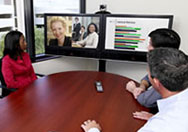 HDX Series
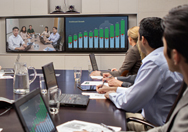 Realpresence Group Series
 RealPresence Desktop
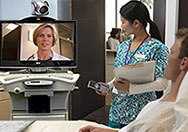 Polycom Practioner's Cart
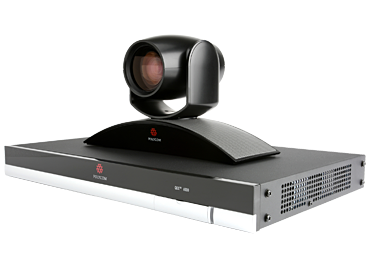 QDX 6000
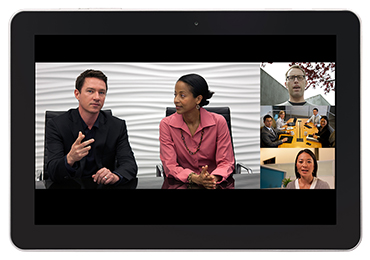 Polycom RealPresence Mobile
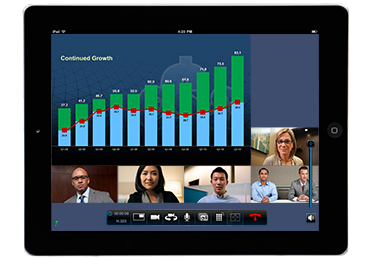 HD Telepresence & Video Conferencing Accessories
 Analog Series
 IP Series
 Polycom RealPresence CloudAXIS
 RealPresence One
 RealPresence Collaboration Server
 Polycom Firewall Traversal & Security
 Polycom RealPresence Media Manager