
Electrical Requirements for Upgrading Your Garage Door Opener
Choose a model with enough motor power for the weight of the current panel, then verify that the supply line, breaker rating, and outlet placement can support the new unit without strain.
Reliable automation depends on clean wiring, stable voltage, and proper grounding, so inspect the circuit for wear, loose connections, or signs of overload before installation begins.
A well-planned setup can improve garage security by reducing signal issues, supporting safer remote access, and keeping backup features ready during power interruptions, while also raising home convenience with smoother daily use.
Checking Your Garage Circuit for Compatibility
Ensure the motor power requirements of the new unit align with the existing circuit. Measure the electrical load capacity to prevent overheating or tripping breakers. Verify that the circuit can handle the amperage drawn by the opener without causing disruptions in functionality.
Inspect the sensor wiring to guarantee compatibility with the installed components. Proper connections are necessary for seamless operation; any malfunctions may compromise safety features. Use high-quality wiring to support robust automation systems while minimizing interference or signal loss.
Evaluate the automation features of the new system, checking for compatibility with existing equipment. This involves assessing connectivity options, such as smart home integration and remote access. Ensure that enhancements to convenience do not compromise security measures in place.
Lastly, consider how changes affect overall garage security. An advanced opener may introduce additional vulnerabilities if not properly installed. Maintain a focus on safeguarding against unauthorized access while upgrading functionality.
Choosing the Right Power Outlet and Voltage
Select an outlet that meets the motor power requirements of the new opener. Typically, most models need a 120V outlet, but some heavy-duty options might require 240V for optimal performance. Verify the specifications before installation to avoid compatibility issues.
Ensure that the chosen outlet is dedicated to prevent interference from other devices. A dedicated circuit enhances garage security by ensuring that the opener operates reliably without fluctuations in power caused by other electrical appliances.
Installation should comply with local codes to guarantee safety. Consult a licensed electrician if any modifications to wiring are needed. Improper installation can lead to hazards such as short circuits or even fire risks.
Check the ampacity of the circuit. The outlet should support the amperage necessary for the motor’s operation. A 15-amp circuit generally suffices, but higher power models often require a 20-amp circuit.
- Use GFCI outlets in areas prone to moisture.
- Earth grounding enhances safety against potential electrical faults.
- Consider surge protectors to safeguard electronic boards within the opener.
Pay attention to sensor wiring. Ensure that power connections to sensors are secure, as faulty wiring can disrupt functionality, posing a risk to both security and convenience.
Confirm that the electrical installation allows enough space for any additional safety devices, like backup batteries or surge protectors. A well-planned setup enhances long-term usability.
Ultimately, choose quality components to ensure the reliability of the power system. Investing in reputable products contributes not just to immediate functionality but also extends the lifespan of the opener, safeguarding your home and enhancing its convenience.
Installing Surge Protection for the Drive Unit
Install a surge protector at the outlet that feeds the drive unit, then choose a model rated for the unit’s motor power and local voltage. A plug-in suppressor with a low clamping level helps absorb spikes from storms, grid switching, and nearby heavy loads, which supports garage security and steady automation.
Ready for excitement? Visit https://vipelectricianbrisbaneau.com/ and play thrilling slots now.
Use a grounded receptacle, keep the cord short, and replace any protector with a worn status light. For extra home convenience, pair it with a small battery backup and label the breaker so service is fast. Check the unit after major outages, because repeated surges can weaken control boards, sensors, and remote receivers.
Wiring Safety Tips for DIY Upgrades
Switch off the breaker, then verify the line with a non-contact tester before touching any wire; this simple habit protects you while working on a new controller, light, or keypad.
Use wire rated for the load, match each terminal exactly, and keep low-voltage sensor wiring separate from mains lines so interference does not affect motor power or garage security.
| Task | Safe Practice | Why It Helps |
|---|---|---|
| Power cutoff | Turn off the breaker and test the circuit | Prevents shock during installation |
| Connections | Follow the terminal map and tighten each screw | Reduces loose contacts and heat buildup |
| Sensor wiring | Route signal lines away from high-voltage cable | Keeps sensors reliable and aligned |
Keep all splices inside approved junction boxes, cap unused conductors, and test the system twice before restoring full home convenience; if a cable feels warm, smells burnt, or shows cracked insulation, stop and replace it before use.
Q&A:
What should I consider about the electrical wiring when upgrading my garage door opener?
When upgrading your garage door opener, one of the key aspects to consider is the electrical wiring. Ensure that the existing wiring is compatible with the new opener’s power requirements. You may need to check the voltage and amperage ratings of your current system and compare them with the new model’s specifications. Additionally, inspect the condition of the wiring to avoid any safety hazards, such as fraying or damage. If the existing wiring does not meet the necessary requirements, you may need to install a new circuit dedicated to the opener.
Can I install a new garage door opener myself, or should I hire a professional?
Installing a new garage door opener can be a DIY project for those with some electrical knowledge and experience with garage systems. However, if you are not comfortable working with electrical components or if you encounter complex wiring situations, hiring a professional may be the best option. A licensed electrician can ensure that the installation meets all safety codes and operates correctly. Additionally, they can advise on the best type of opener for your garage setup.
What safety features should I look for in a new garage door opener?
When selecting a new garage door opener, consider important safety features. Look for models equipped with auto-reverse functionality, which automatically reverses the door if an object is detected in its path. This feature helps prevent accidents and injuries. Also, consider openers with rolling code technology, which changes the access code each time the door is used, enhancing security. Lastly, some models include battery backup, ensuring the door operates during power outages, adding another layer of safety and convenience.
How can I ensure my garage door opener is energy-efficient?
To ensure your garage door opener is energy-efficient, look for models with Energy Star certification or those that consume less power in standby mode. Additionally, belt drive openers are typically quieter and more energy-efficient compared to chain drive models. Consider installing smart features that allow you to monitor and control the opener remotely, providing insights into its energy usage. Regular maintenance, such as lubricating moving parts, can also enhance efficiency and prolong the life of your opener.
What are the benefits of upgrading to a smart garage door opener?
Upgrading to a smart garage door opener offers several benefits. With smart technology, you can control the opener from your smartphone, allowing for remote access and monitoring. This can be particularly useful for letting guests or service providers into your garage without needing to be present. Many smart openers also integrate with home automation systems, enabling you to set schedules or receive alerts when the door is opened or closed. Enhanced security features, such as alerts for unauthorized access, provide peace of mind while using modern technology.
| « « Bildungsgerechtigkeit in Hochschulen durch inklusive Konzepte und Strategien stärken | Importanța infrastructurii de telecomunicații pentru accesul la internet în Câmpeni » » |
 HDX Series
 Realpresence Group Series
 RealPresence Desktop
 Polycom Practioner's Cart
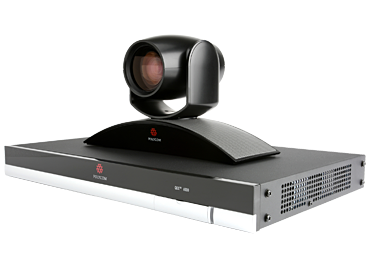 QDX 6000
 Polycom RealPresence Mobile
 HD Telepresence & Video Conferencing Accessories
 Analog Series
 IP Series
 Polycom RealPresence CloudAXIS
 RealPresence One
 RealPresence Collaboration Server
 Polycom Firewall Traversal & Security
 Polycom RealPresence Media Manager