
Exploring Future Applications of 5G Technology in National Data Centres
5G technology is reshaping the way businesses engage with data and harness connectivity. Adapting to this new phase in telecommunications means recognizing the nuances of network evolution and its significance for the future of digital communication.
The evolution towards 5G networks introduces a range of opportunities, transforming traditional structures and providing enhanced capabilities. This transition is not merely incremental; it represents a paradigm shift that influences various sectors, significantly altering the role of data environments.
As organizations strategize their growth pathways, the data centre impact will be profound. Enhanced speed, reduced latency, and advanced functionalities will set the stage for innovative applications, streamlining operations while paving the way for seamless integration in numerous domains.
Enhancing Data Processing Speed in National Data Centres
Adopting 5G technology revolutionizes processing capabilities by significantly reducing latency. This transformation allows for instant data transmission, paving the way for rapid analytics and real-time decision-making. By integrating cutting-edge hardware and leveraging millimeter-wave frequencies, facilities can achieve unprecedented throughput. Telecommunications sectors must collaborate closely to ensure seamless connectivity as part of this evolution.
Investing in future infrastructure enhances operational efficiency. Upgrading existing networks enables data centres to handle an influx of information while minimizing bottlenecks. Enhanced algorithms and machine learning models can be utilized to optimize resource allocation, ensuring peak performance. Coordinating efforts across various industries will be essential for maximizing the potential of this upgraded framework.
Collaboration amongst stakeholders is paramount to fully harness the advantages of an advanced infrastructure. Implementing edge computing models can drastically shorten response times, making interactions more fluid. This approach not only elevates service levels but also solidifies user trust as service reliability improves. Striking partnerships will facilitate smooth adoption of innovative technologies across platforms.
Investment in training programs for personnel is critical as technology advances. Upskilling the workforce ensures that users understand the intricacies of the latest systems and applications. Continuous development fosters a knowledgeable team capable of tackling emerging challenges. A prepared workforce will enhance agility and drive advancements within the field of telecommunications.
Customizing Data Storage Solutions for 5G Applications
Integrating adaptable storage frameworks is crucial for optimizing 5G functionalities. Systems must support dynamic data requirements, ensuring rapid access and reliability.
Network evolution necessitates innovative approaches to storage management, allowing seamless data transfer across various applications. Telecom providers should invest in scalable solutions that can adjust to changing demands.
The influence of 5G technology on data centers reshapes traditional designs. Enhanced capabilities demand hybrid models that blend on-premises solutions with cloud infrastructure, maximizing flexibility and performance.
| Storage Solution | Benefits |
|---|---|
| Hybrid Storage | Balance between on-premises and cloud resources |
| Edge Computing | Reduced latency for real-time applications |
Embracing cutting-edge frameworks ensures that data centers can handle the significant throughput required by advanced telecommunications. This approach positions businesses to leverage new opportunities as 5G technology proliferates.
Integrating IoT with Data Centres: New Opportunities
Investing in smart technologies positioned within data hubs can radically transform operational efficiencies. Telecommunications innovations are driving this shift, enabling seamless connectivity between devices and infrastructure.
Network evolution facilitates real-time processing of vast amounts of information. By harnessing the power of IoT, organizations can achieve better resource management, reducing waste while boosting performance metrics.
The convergence of IoT and data centres promises enhanced analytical capabilities. Leveraging data analytics will allow businesses to derive actionable insights, fostering informed decision-making processes.
Aligning IoT developments with future infrastructure initiatives creates numerous benefits. Such collaborations improve predictive maintenance systems, effectively minimizing downtime and ensuring system reliability.
Furthermore, strategic investments in advanced telecommunications can enhance security protocols. As data integrity becomes paramount, organizations can explore comprehensive solutions, maximizing protective measures against potential threats.
For additional insights into data security and its evolution, visit https://islandsfm.org/enterprise-infrastructure/hyper-converged-infrastructure-nears-billion-dollar-market-status/. Understanding the data centre impact of IoT alignment can lead to substantial competitive advantages.
Ensuring Security Compliance in 5G-Driven Data Management
Implement robust protocols that align with current regulatory frameworks to safeguard sensitive information in telecommunications. With network evolution necessitating advanced security measures, organizations must prioritize auditing processes that assess compliance health regularly. Failure to meet these standards not only puts data integrity at risk but also jeopardizes potential growth in future infrastructure projects.
Begin with a risk management approach:
- Identify vulnerabilities specific to 5G technology.
- Conduct regular training for personnel on updated compliance protocols.
- Collaborate with third-party vendors to ensure that their practices are aligned with your security policies.
Such proactive steps can mitigate the data centre impact moving forward, contributing to a robust foundation that supports enhanced digital operations.
Q&A:
What are the potential benefits of 5G technology for national data centers?
5G technology offers several benefits for national data centers such as significantly increased data transmission speeds, reduced latency, and enhanced connectivity for a greater number of devices. This can lead to more efficient processing of vast amounts of data and enable real-time analytics, which is particularly important for applications like IoT and machine learning. Additionally, the improved bandwidth can support more diverse use cases, including remote monitoring and smart city applications.
How might 5G change the way data centers are designed and operated?
The advent of 5G is likely to influence the design and operation of data centers by necessitating more robust network infrastructure capable of handling high-speed data transfer. Data centers may incorporate edge computing to process data closer to the source, reducing the amount of data that needs to be sent back and forth. This shift could lead to modular designs, as facilities adapt to the requirements of various new applications that emerge from 5G capabilities.
Can 5G enhance security measures in data centers? If so, how?
Yes, 5G can enhance security measures for data centers. The higher speeds and lower latency of 5G networks can facilitate more secure communication protocols, allowing for real-time monitoring and threat detection. Enhanced encryption methods can be implemented more effectively, minimizing the risks associated with data breaches. Additionally, 5G could support advances in biometrics and AI-driven security measures, increasing the overall reliability of security systems in data centers.
What challenges do data centers face when implementing 5G technology?
While the potential of 5G is significant, data centers may face several challenges during implementation. These include the need for substantial investments in infrastructure upgrades, potential interoperability issues with existing systems, and regulatory hurdles related to spectrum ownership and usage. There may also be concerns regarding the environmental impact of increased energy consumption in data centers as they expand their capabilities to accommodate 5G technologies.
What are some specific use cases of 5G technology in national data centers?
Specific use cases for 5G technology in national data centers include enhanced support for virtual and augmented reality applications, which require low latency for a seamless experience. Additionally, 5G can enable smart grid technologies, improving energy management and efficiency. In areas like healthcare, data centers may facilitate remote surgeries or telemedicine solutions, utilizing 5G to enable real-time data exchange between doctors and patients. These use cases reflect a broader trend towards interconnected systems benefiting from faster, more reliable communication.
| « « The Impact of Artificial Intelligence on Casino Operations | The Impact of Artificial Intelligence on Casino Operations » » |
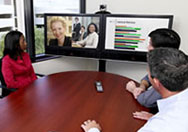 HDX Series
 Realpresence Group Series
 RealPresence Desktop
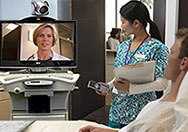 Polycom Practioner's Cart
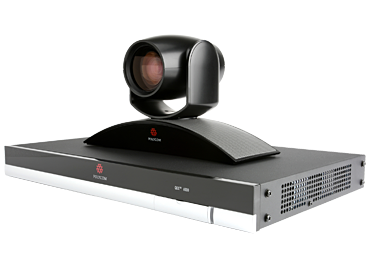 QDX 6000
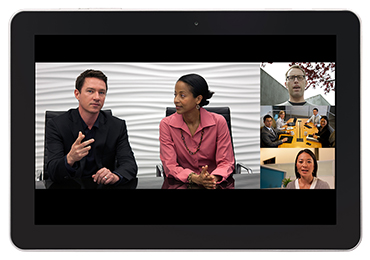 Polycom RealPresence Mobile
 HD Telepresence & Video Conferencing Accessories
 Analog Series
 IP Series
 Polycom RealPresence CloudAXIS
 RealPresence One
 RealPresence Collaboration Server
 Polycom Firewall Traversal & Security
 Polycom RealPresence Media Manager