
Logistics Management Strategies for Small and Medium Businesses
Set up a clear business delivery routine with fixed time slots, simple route planning, and one person responsible for each shipment batch. This reduces delays, cuts confusion, and helps every order move through distribution without extra calls or repeated checks.
Keep freight management organized with a shared record of carriers, rates, loading limits, and delivery windows. A single source of truth makes it easier to compare options, track costs, and avoid last-minute changes that disrupt supply chain flow.
Use a lean supply chain structure with regular stock reviews, reliable suppliers, and short approval steps. When inventory, transport, and customer requests are aligned, day-to-day work becomes easier to control, and service stays steady even during busy periods.
business delivery, distribution, freight management, and supply chain planning work best when each task has a clear owner and a simple process. With fewer handoffs and cleaner coordination, smaller teams can handle more orders without losing sight of timing, cost, or customer needs.
How to Map Your Supply Chain and Identify Bottlenecks
Create a visual scheme showing every supplier, warehouse, carrier, retail point, data transfer stage, inventory checkpoint, plus customer delivery route. Mark processing time, transport cost, delay frequency, damaged cargo rate, stock turnover, communication gaps, plus return volume. This approach helps teams compare freight management metrics with real operational flow instead of assumptions. Accurate mapping also improves coordination between procurement units, storage hubs, transport providers, distribution centers, plus customer service departments.
Track cargo movement through each node using timestamps, shipment records, barcode scans, ERP exports, GPS feeds, or warehouse software. A delay repeated across one route usually signals a restricted capacity point, weak supplier response, overloaded dock area, poor packaging process, or unstable scheduling practice. Strong logistics solutions combine live tracking with historical analytics, allowing teams to isolate recurring disruptions inside the supply chain before losses spread across multiple channels.
Review vendor reliability every quarter, compare route performance by region, test alternate carriers, reduce duplicate handling steps, split high-risk delivery paths, automate stock alerts, plus standardize reporting rules across all partners involved in distribution. Clear process visibility reduces idle inventory, missed deadlines, cargo congestion, fuel waste, invoice disputes, plus unnecessary manual coordination.
Choosing Inventory Control Methods That Fit Limited Budgets
Implement a just-in-time approach to reduce storage costs and improve cash flow. Small enterprises can combine this with simple barcode tracking or spreadsheet-based stock monitoring to maintain visibility across the supply chain. Using these methods allows smarter allocation of resources, minimizes overstocking, and keeps distribution more predictable. Integrating basic logistics solutions that automate reorder alerts can streamline business delivery without straining the budget.
Consider a hybrid system tailored to the scale of your operations:
- Classify products by demand frequency to prioritize replenishment.
- Use periodic review schedules to balance ordering costs against stockouts.
- Leverage cloud-based inventory platforms with low subscription fees to track shipments and warehouse levels.
These steps enhance supply chain visibility while maintaining cost control, helping small operators deliver goods reliably and respond quickly to changes in distribution needs.
Optimizing Delivery Routes, Carrier Selection, and Shipping Costs
Use route optimization software to enhance delivery efficiency. By analyzing multiple variables, including traffic patterns and customer locations, you can significantly reduce transportation time and costs. Prioritize solutions that allow real-time adjustments to adapt to unexpected delays, ensuring that your business delivery remains on schedule and meets customer expectations.
Choosing the right carrier is vital for smooth operations. Evaluate pricing, reliability, and service capabilities of various carriers in your supply chain. Look for options that offer flexible services tailored to your needs, such as express shipping or freight consolidation. A well-selected partner can positively impact your distribution network and help in managing costs effectively.
Shipping expenses can quickly add up, making it essential to analyze them regularly. Negotiate rates with carriers and explore bulk shipping discounts. Additionally, consider leveraging local delivery services like https://snappydeliveryca.com/ to reduce costs while maintaining service quality. By focusing on these aspects, businesses can enhance their logistics solutions and achieve greater profitability.
Using Simple Software Tools to Track Orders, Stock, and Performance
Implement user-friendly software solutions that enable real-time tracking of orders, inventory, and key performance indicators. These tools provide visibility throughout the distribution process, allowing businesses to enhance their supply chain efficiency. By monitoring stock levels and delivery times, companies can make informed decisions, reducing the risk of stockouts and ensuring timely fulfillment of orders.
Investing in accessible technology can significantly streamline business delivery operations. Choose applications that integrate seamlessly with existing systems to facilitate data sharing across teams. This integration helps in analyzing performance metrics, recognizing trends, and adjusting strategies accordingly. By leveraging these basic tools, organizations can optimize their workflow and maintain strong connections with suppliers and customers alike.
Q&A:
What are the main challenges small and medium businesses face in logistics management?
Small and medium businesses often struggle with limited resources, which can affect their logistics operations. Common challenges include insufficient budget for technology and infrastructure, a lack of expertise in logistics strategy, and difficulty in negotiating with suppliers and carriers. Additionally, these businesses may face issues with inventory management, demand forecasting, and maintaining timely deliveries due to their smaller scale, which can lead to higher operational costs compared to larger companies.
How can small and medium businesses improve their logistics operations?
Improving logistics operations for small and medium businesses can involve several strategies. Investing in logistics software or tools can help streamline operations and improve inventory management. Collaborating with third-party logistics providers can also alleviate some burdens, allowing businesses to focus on core activities. It’s important for these businesses to assess their supply chain regularly, foster strong relationships with suppliers, and implement clear communication with all stakeholders. Training staff on best practices in logistics can also enhance performance and efficiency across the board.
What role does technology play in logistics for small and medium enterprises?
Technology plays a significant role in optimizing logistics for small and medium enterprises. Software solutions such as inventory management systems, transportation management systems, and warehouse management tools can automate many processes, reducing errors and saving time. Additionally, technology can provide real-time visibility into supply chain operations, helping businesses make informed decisions. Adopting cloud-based solutions can also enhance collaboration with suppliers and stakeholders, creating a more integrated supply chain and improving responsiveness to market changes.
How can small businesses effectively manage their inventory?
To manage inventory effectively, small businesses should adopt a systematic approach. Utilizing inventory management software can greatly assist in tracking stock levels, orders, and sales trends. Conducting regular audits helps maintain accuracy and reveals obsolescence or overstock issues. Implementing just-in-time practices can reduce excess inventory and minimize carrying costs. Moreover, businesses can establish strong relations with suppliers to ensure quicker restock times and better negotiate terms that suit their inventory needs. Regular training for staff on inventory practices can also enhance overall management.
| « « Gizbo Live Casino Interaktiver Bereich mit realistischer Spielatmosphäre im Fokus | Bono ruleta Mejores bonos de casino y promociones de España 【2026】» MightyTips » » |
 HDX Series
 Realpresence Group Series
 RealPresence Desktop
 Polycom Practioner's Cart
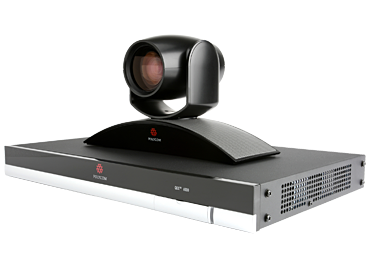 QDX 6000
 Polycom RealPresence Mobile
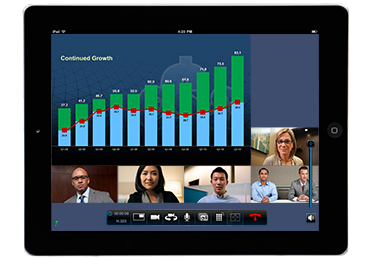 HD Telepresence & Video Conferencing Accessories
 Analog Series
 IP Series
 Polycom RealPresence CloudAXIS
 RealPresence One
 RealPresence Collaboration Server
 Polycom Firewall Traversal & Security
 Polycom RealPresence Media Manager