
Preparing Your Home for a Professional Cleaning Team Step by Step Guide
Clear access points to every area that requires attention. Hallways, doorways, and staircases should remain unobstructed to allow staff to move swiftly and safely without interruption.
Prioritize pet safety by designating a secure zone or temporary confinement during the session. This ensures both animals and personnel remain unharmed and reduces stress for all involved.
Consider light furniture moving to reveal hidden corners, baseboards, and under-seat areas. Even minor adjustments can dramatically improve the thoroughness of the task and prevent accidental damage.
Advance preparation by organizing clutter, putting away fragile items, and ensuring cleaning supplies are not in the way. A well-ordered environment allows for faster, more focused attention on the surfaces that matter most.
Clear Floors, Counters, and Access Paths Before the Cleaners Arrive
Move scattered objects off floors and countertops to provide clear access for thorough scrubbing and pre-vacuuming. Small items, toys, and clutter can obstruct equipment and slow the process. Consider shifting lightweight furniture slightly if necessary, but avoid heavy lifting that could cause injury.
Designate safe areas for pets during cleaning to prevent stress or accidental contact with cleaning products. Closing doors or using pet gates ensures safety while maintaining open access to all work zones. Clear hallways, entryways, and other pathways so the crew can navigate without interruption.
Check surfaces for debris that could interfere with equipment, then remove cords, mats, or loose rugs. A quick pre-vacuuming of high-traffic areas reduces dust and improves efficiency. A tidy arrangement of furniture allows cleaners to reach corners and edges without repeated moving, speeding up the overall process and protecting your furnishings.
Store Personal Items, Documents, and Valuables in Closed Spaces
Lock away sensitive documents in drawers or cabinets before the crew arrives to prevent accidental access or misplacement during furniture moving. This safeguards both important papers and small valuables.
Jewelry, cash, and collectibles should be placed in secure boxes or safe compartments. Avoid leaving them on surfaces where pre-vacuuming or dusting could disturb or scatter them.
Electronics with delicate components, such as cameras or tablets, benefit from storage in padded containers. This minimizes risk during rearranging or sudden handling of nearby furniture.
Even everyday items like keys, glasses, or small toys deserve closed spaces. Clutter-free floors reduce the need for excessive lifting or shifting, making sweeping, mopping, and pre-vacuuming more straightforward.
Consider labeling storage containers for quick access later. Clearly marked bins speed up unpacking while ensuring the cleaning crew doesn’t mistakenly move or open them.
Before major furniture moving, double-check that nothing valuable remains on or under sofas, tables, or shelves. Hidden items can be crushed or lost during repositioning.
Finally, maintain a small, accessible basket for essentials that must stay out, like phones or wallets. This keeps them within reach without interfering with overall preparation or cleaning access.
Point Out Problem Areas, Fragile Surfaces, and Special Instructions
Mark any spots that need extra attention, such as stubborn stains or high-traffic zones. Highlighting these areas ensures the team focuses their efforts efficiently, minimizing the risk of overlooked surfaces. Including notes about delicate finishes or antique furniture helps prevent accidental damage.
Fragile surfaces, like glass tables or intricate decor, should be clearly indicated. You can leave small tags or notes on these items to communicate caution. Furniture moving requests can also be specified so that heavy objects are handled carefully, avoiding scratches or dents.
Provide special instructions regarding flooring or upholstery treatments. For example, if certain carpets require gentle solutions or specific vacuum attachments, mention it. Pre-vacuuming areas with loose debris reduces labor time and enhances the thoroughness of the service.
Pet safety is another key consideration. Indicate which rooms your pets occupy or suggest containment areas during the session. This not only protects animals but also ensures the cleaners can work without unexpected interruptions. Clear communication helps maintain a smooth workflow and a stress-free environment for all parties.
For additional tips on organizing these instructions and maximizing cleaning results, check resources like https://procarpetcleaningsydneyau.com/. Detailed guidance on preparation, pre-vacuuming, and furniture handling will make the session more effective and reduce potential risks to delicate items.
Set up pets, keys, alarms, and parking for a smooth visit
Keep pets in a secure room or crate to ensure pet safety while staff move furniture and clean surfaces. A confined space prevents stress for animals and avoids accidental scratches or escapes during the visit.
Designate a clear spot for keys, access codes, or smart lock instructions. Placing them in an obvious location eliminates confusion and reduces interruptions, allowing workers to focus on the cleaning tasks without delay.
Deactivate alarms or notify the monitoring service about the upcoming visit. This prevents accidental alerts that could disturb neighbors or trigger emergency responses, maintaining a calm and uninterrupted environment.
Reserve a convenient parking area close to the entrance. Use a simple table to communicate spaces and restrictions to visitors, minimizing walking distance and simplifying the transport of equipment and cleaning supplies.
| Item | Action | Notes |
|---|---|---|
| Pets | Confine or crate | Ensure pet safety, reduce stress |
| Keys/Access | Place in visible location | Include codes or instructions |
| Alarms | Deactivate or notify service | Avoid accidental alerts |
| Parking | Reserve close space | Minimize walking, simplify equipment handling |
Move small furniture items or obstacles away from frequently cleaned areas. This preparation not only speeds up the visit but also reduces the risk of scratches or damage to surfaces and belongings.
Double-check that all necessary instructions are clearly written and accessible. Clear communication about pet safety, furniture moving, and access points ensures a smooth and stress-free experience for everyone involved.
Q&A:
What should I do before the cleaning team arrives?
It helps to clear the main surfaces they will clean, such as kitchen counters, bathroom sinks, and bedside tables. Put away loose items, clothes, paperwork, toys, and cords so the cleaners can reach dust and dirt without moving too many personal belongings. If you have delicate items, cash, jewelry, or private documents, store them in a safe place. You do not need to deep clean before they come, but a quick pickup usually saves time and lets the team focus on the actual cleaning tasks.
Do I need to clean the house before a professional cleaning service comes?
No deep cleaning is needed before the visit. In fact, that is the job you are paying for. What helps most is simple preparation: clear clutter from floors and surfaces, load or empty the dishwasher if you want the kitchen cleaned fully, and put dirty clothes in laundry baskets. If the home is very crowded with items, the cleaners may need to work around them, which can limit what they can do in the time you booked.
Should I move furniture or large items out of the way?
Usually, no. Most cleaning teams are not scheduled to rearrange heavy furniture unless that has been arranged ahead of time. Light items, like chairs or small side tables, can sometimes be moved, but large sofas, beds, and cabinets are better left alone unless the service says otherwise. If there is a spot under or behind a heavy object that you want cleaned, ask the company before the appointment so they can tell you what is possible.
How do I prepare bathrooms and the kitchen for cleaners?
For bathrooms, remove toiletries from sinks, shower shelves, and the tops of toilets if you want those areas wiped down fully. Pick up towels, bath mats, razors, and hair tools. In the kitchen, clear off the counters, put away food, and remove small appliances you do not want to be handled. If dishes are left in the sink, the team may not be able to clean the sink or faucet area properly. A cleared workspace usually gives much better results.
Is there anything I should tell the cleaning team before they arrive?
Yes. Share any special instructions that matter to your home, such as which rooms are off-limits, which surfaces need gentle care, or where pets will be during the visit. If you have allergies, ask whether certain products can be avoided. It also helps to point out problem areas, like a stained carpet, soap buildup, or spots you want the team to focus on first. Clear communication before the appointment helps the visit go more smoothly and reduces the chance of confusion.
| « « Ideal Places to Set Up Wall LED Lights in your house | Best Places to Install Wall LED Lighting in your house » » |
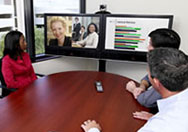 HDX Series
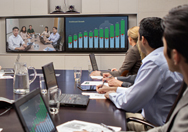 Realpresence Group Series
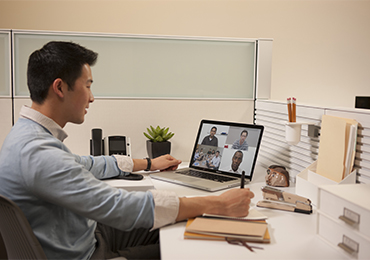 RealPresence Desktop
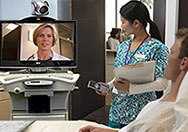 Polycom Practioner's Cart
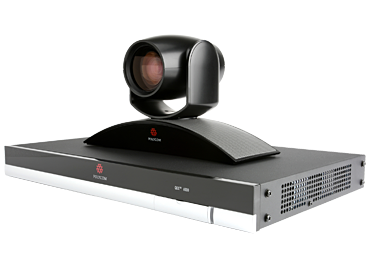 QDX 6000
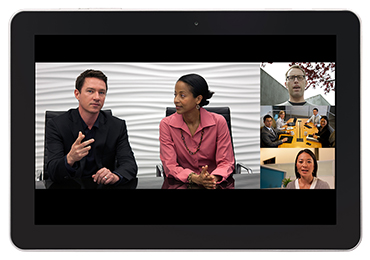 Polycom RealPresence Mobile
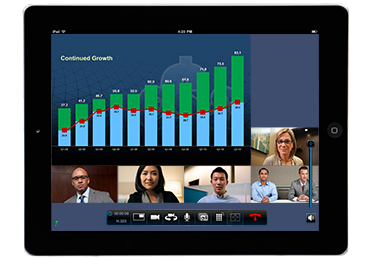 HD Telepresence & Video Conferencing Accessories
 Analog Series
 IP Series
 Polycom RealPresence CloudAXIS
 RealPresence One
 RealPresence Collaboration Server
 Polycom Firewall Traversal & Security
 Polycom RealPresence Media Manager