
The Significance of Proper Base Preparation in Curbwise Construction Projects
Prioritizing ground leveling is crucial for achieving stability and longevity in any project. An uneven surface can lead to various complications, affecting both the aesthetics and functionality of structures. Conducting thorough grading ensures a level base where materials can be laid properly, preventing future issues.
Soil stability plays a significant role in maintaining the integrity of your installations. Compacted soil reduces the likelihood of shifting or settling over time, which is vital for any construction. When soil is evaluated and treated accordingly, the overall durability of the project increases, minimizing future repairs.
Effective drainage solutions should never be overlooked. Water accumulation can cause a host of problems, from erosion to structural damage. Implementing proper drainage systems not only protects the foundation but also promotes longevity and efficiency, ensuring that your investment stands the test of time.
Assessing Soil Stability for Optimal Drainage
Evaluate soil stability regularly to ensure optimal drainage solutions. Conduct tests to determine the compaction and cohesiveness of the ground. This assessment helps in identifying potential weaknesses.
Soil compression tests provide insight into the material’s ability to withstand pressure. A strong, compacted foundation minimizes water retention risks.
Ground leveling is crucial before implementing any drainage systems. Uneven surfaces can exacerbate water pooling, causing detrimental effects on both vegetation and structures.
Consider the soil composition. Sandy soils drain efficiently, while clay-heavy mixtures often retain moisture, which can lead to issues. Adjustments in landscaping may be required based on these findings.
Installation of proper drainage systems, such as trenches or French drains, should follow a thorough evaluation of soil conditions. These measures facilitate effective water management.
Regular maintenance of drainage systems is necessary. Check for blockages and sediment buildup that may compromise the function of installed solutions.
Integrate vegetation strategically; roots can enhance soil stability and promote drainage. Planting grass or deep-rooted species aids in moisture regulation.
Monitor changes in soil stability over time. Seasonal variations can impact moisture levels, making ongoing assessments critical for sustained drainage effectiveness.
Selecting the Right Materials for Base Layers
Choosing high-quality aggregates plays a significant role in ensuring proper ground leveling for any installation. These materials provide a solid foundation that directly impacts soil stability and the lifespan of the built works. Various types of crushed stone and gravel offer different benefits, so selecting the appropriate aggregate to withstand local conditions is essential.
The effectiveness of drainage systems also hinges on the materials used for sub-layers. Materials with high permeability facilitate the movement of water, helping to prevent pooling and erosion. Utilizing geotextiles can further enhance drainage by separating different materials, thus supporting better water flow while maintaining soil integrity.
- Evaluate local soil type and conditions.
- Consider the specific drainage needs of the site.
- Ensure all materials meet industry standards for durability.
Techniques for Compaction to Enhance Longevity
To achieve optimal installation quality, employing pneumatic rollers is a key strategy. These machines exert concentrated pressure, effectively consolidating material layers and providing a solid foundation for further work. Ensuring all layers are uniformly compacted minimizes settlement over time.
Incorporating moisture content management in the process can significantly influence results. Moisture aids in achieving a better compaction level. Maintain the right balance: too dry leads to inefficiency, while excessive moisture can hinder stability.
Another valuable method involves utilizing vibratory plate compactors. This technique is especially beneficial in areas needing precise ground leveling. Vibration compacts granular materials more effectively than static methods, ensuring a stable surface for installations.
Regular testing of compaction results through methods like the Proctor test allows for adjustments during the process. This ensures that the achieved density meets required standards, promoting durability and longevity of the constructed elements.
Effective drainage should not be overlooked. Implementing a proper drainage system alongside compaction efforts guarantees that water does not accumulate, which can weaken structural integrity. Properly directed runoff protects the compacted base from erosion or weakening.
| Technique | Benefits |
|---|---|
| Pneumatic Rollers | High pressure, solid foundation |
| Moisture Management | Improves compaction, reduces settlement |
| Vibratory Plate Compactors | Precise leveling, effective for granular materials |
| Regular Proctor Testing | Ensures density meets standards |
| Effective Drainage Systems | Protects base from erosion, maintains strength |
Monitoring Environmental Impacts During Installation
Conduct frequent assessments of soil stability throughout installation. This process ensures that ground leveling techniques do not adversely affect surrounding ecosystems. Monitoring erosion and sedimentation is crucial, especially in sensitive areas.
Utilize advanced technology to evaluate real-time data during installation. Drones and sensors can capture valuable information on environmental conditions, allowing teams to make necessary adjustments. These tools enhance the overall installation quality.
Engage local environmental experts to provide insight into potential impacts. Their expertise can help identify risks that may not be immediately apparent during project planning. Collaboration with experts leads to more sustainable practices.
Documentation of environmental conditions before and during installation aids in assessing impacts. Conducting pre-installation surveys allows for a clear baseline, while ongoing monitoring provides data to measure changes. This transparency is key to maintaining compliance with regulatory standards.
Involve community stakeholders in the process. Gathering feedback from local residents can highlight concerns that may need addressing. Their involvement contributes to a more comprehensive understanding of environmental effects.
Implement best management practices (BMPs) to mitigate negative consequences. By employing techniques designed to reduce environmental risks, installation teams can enhance soil stability and protect nearby waterways from runoff.
Training team members on environmental awareness fosters a culture of responsibility. Not only does this improve installation quality, but it also ensures that every worker understands their role in minimizing environmental impacts. Continuous education can drive better outcomes.
Finally, utilize findings from completed projects to improve future practices. Analyzing past experiences enables teams to refine methods and approaches. For more insights on effective installation methods and environmental considerations, visit https://curbwiseca.com/.
Q&A:
Why is base preparation critical before starting curbwise projects?
Proper base preparation is crucial as it ensures stability and durability in curb installation. If the base is not adequately handled, it can lead to issues like settling, cracking, or shifting of the curbs over time. An improper base can compromise the entire project, leading to further repairs and increased costs.
What steps are typically involved in the base preparation for curbwise projects?
The base preparation usually involves several steps: first, clearing the area of any debris or vegetation; second, leveling and compacting the ground to create a solid foundation; and third, assessing drainage needs to prevent water accumulation near the curbs. Each of these steps contributes to a robust base that supports the curbs effectively.
Can skipping base preparation affect the aesthetics of the finished project?
Yes, failing to prepare the base properly can indeed affect the visual appeal of the project. Uneven spacing, misalignment, or visible cracks can arise from inadequate preparation, detracting from the overall look of the curb installation. A well-prepared base contributes not only to functionality but also to the aesthetic quality of the project.
How does weather impact base preparation in curbwise projects?
Weather plays a significant role in base preparation. Excessive moisture can make it difficult to compact the ground effectively, leading to a weak base. On the other hand, extreme dry conditions may cause the soil to shift or crack. It’s essential to consider weather conditions and, if necessary, take corrective measures like postponing work in adverse weather to ensure proper preparation.
What materials are recommended for an ideal base in curbwise installations?
Typically, materials like crushed stone, gravel, or sand are preferred for creating a solid base. These materials help with drainage and provide a stable support system for the curbs. Selecting the right material based on soil type and environmental conditions will enhance the longevity and performance of the curb installation.
What is the significance of proper base preparation in curbwise projects?
Proper base preparation in curbwise projects is critical to ensure stability and durability. A well-prepared base minimizes the risk of future issues such as cracking or shifting. This process involves assessing soil conditions, ensuring proper drainage, and using quality materials. Each of these factors contributes to the longevity of the curb installation, which ultimately affects aesthetics and functionality.
| « « FEZbet Live Casino con croupier esperti per emozioni in diretta | Budda Casino – Najlepsze automaty o wysokim RTP, które warto wypróbować » » |
 HDX Series
 Realpresence Group Series
 RealPresence Desktop
 Polycom Practioner's Cart
 QDX 6000
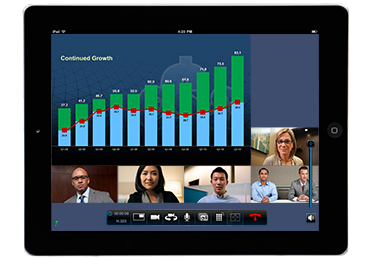
 Polycom RealPresence Mobile
 HD Telepresence & Video Conferencing Accessories
 Analog Series
 IP Series
 Polycom RealPresence CloudAXIS
 RealPresence One
 RealPresence Collaboration Server
 Polycom Firewall Traversal & Security
 Polycom RealPresence Media Manager